
Business
How Much Does Custom Software Development Cost in India in 2026?
Advantage AI Engineering · · 12 min read
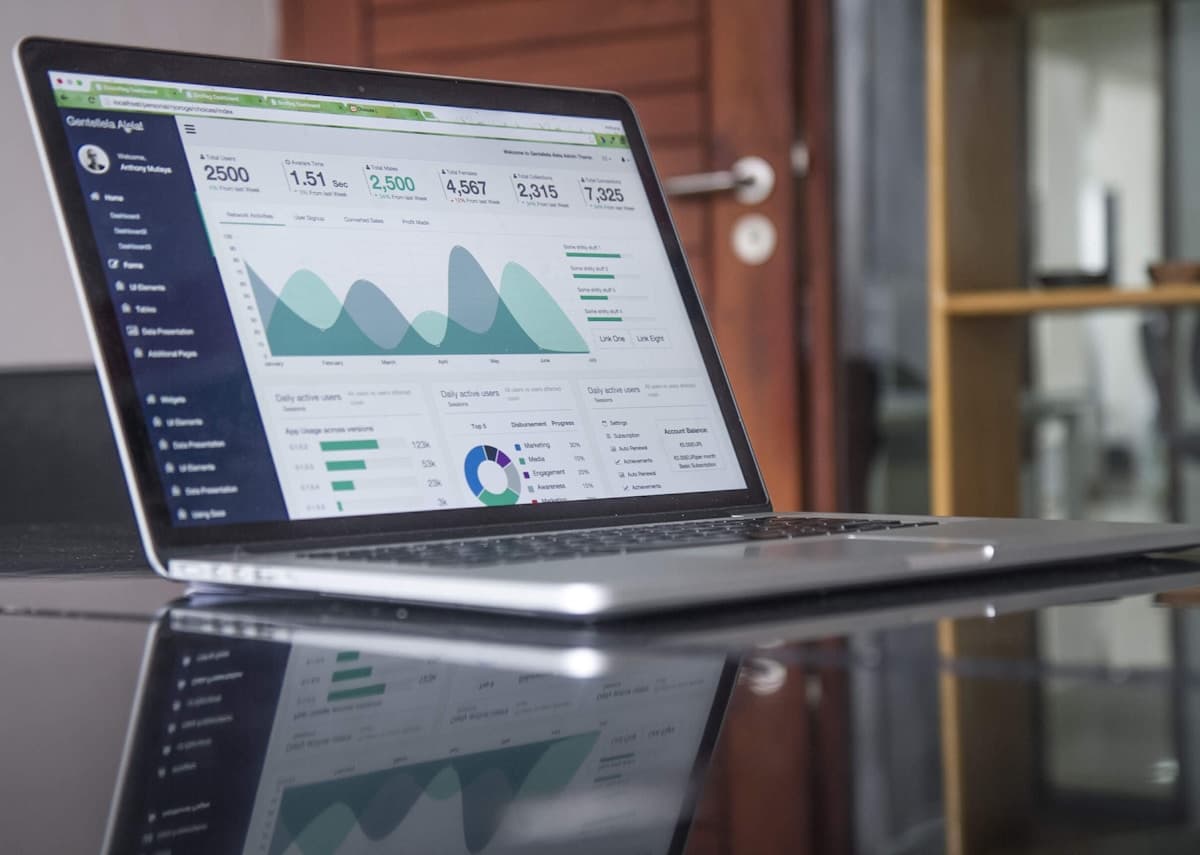
See realistic 2026 cost ranges for custom software development in India—MVPs, web apps, mobile, and AI features—plus what actually drives the price.
“How much will it cost to build?” is usually the first serious question after a product idea. In 2026, India remains one of the most common places companies look for custom software—because the talent density is high and the cost of a senior team is still lower than in the US, UK, or Western Europe. The quote you get, though, can vary by 5–10x depending on scope, not just hourly rate.
This guide explains custom software development cost in India in practical ranges, what those ranges include, and how to budget without getting trapped by a cheap estimate that explodes later.
Typical hourly rates in India (2026)
Most commercial work is still quoted as a blend of time-and-materials or a fixed milestone price built from hours. Broad market ranges for professional firms (not hobby freelancers):
- Junior / intern-heavy capacity: often $15–25 per hour — rarely the right lead for a production product
- Mid-level engineers: commonly $25–45 per hour
- Senior engineers and tech leads: commonly $40–70 per hour
- Specialists (AI, security, mobile performance, Salesforce/SAP): often at the top of that band or above
- Product, design, and QA: budget them as real roles, not “free with development”
A Noida or Bengaluru product studio with senior ownership will usually sit above the cheapest freelance listing on a marketplace. You are paying for delivery process, code review, and someone who is still there in six months.
Project cost ranges (what companies actually pay)
Hourly rates only help once you know how many hours the work takes. These 2026 ranges assume a professional team, not a single freelancer on nights and weekends:
- Marketing site or brochure rebuild: roughly $4,000–$15,000
- Focused MVP (one core workflow, web, basic auth, one integration): often $18,000–$60,000
- Custom web application (roles, dashboards, reporting, 2–4 integrations): often $40,000–$150,000
- Mobile app (iOS + Android, one codebase, API backend): often $35,000–$140,000
- AI-assisted product (RAG, copilot, or workflow agent on top of an existing system): often $25,000–$120,000 depending on data readiness
- Multi-tenant SaaS with billing and admin: often $80,000–$250,000+ for a credible first version
If a quote is far below these bands for a serious product, ask what was left out: QA, design, staging, security review, documentation, or post-launch support.
What actually drives the price
Two “CRMs” or two “apps” are not the same job. Cost moves with:
- Number of user types and permissions (admin, customer, partner, field staff)
- Integrations: payment, ERP, CRM, WhatsApp, email, identity, accounting
- Data migration from spreadsheets or a legacy system
- Compliance: audit logs, residency, encryption, accessibility
- Offline mobile, maps, or hardware/sensors
- AI features that need retrieval, evals, and guardrails—not a single API call
- How unclear the workflow still is (discovery is cheaper than rebuilding)
The fastest way to inflate cost is an open-ended backlog with no MVP boundary. The fastest way to waste money is a cheap build that cannot be maintained.
India vs US / Europe: how to think about the saving
A comparable senior team in North America often costs 2.5–4x more on paper. The real saving appears only if communication, time zone overlap, and engineering standards are in place. Hidden costs of a poorly run offshore project include:
- Rework from unclear requirements
- No automated tests, so every change is risky
- Key-person risk when a freelancer disappears
- Security gaps that delay enterprise sales
- You still needing a local product owner to make decisions daily
Companies that get good outcomes from India treat the vendor as a product team: a named lead, weekly demos, a written backlog, and staging that looks like production.
Fixed price vs dedicated team
Fixed-price makes sense when the scope is small and stable (a defined MVP, a known integration). A dedicated squad (monthly) makes sense when the product will keep evolving. In 2026, many growing companies start with a fixed discovery + MVP, then convert to a retainer so they are not renegotiating every feature.
A small dedicated pod in India (one senior, two mid-level, shared QA/design) is often more predictable than assembling four unrelated freelancers.
How to get a quote you can trust
- Write the primary user and the one job they must complete in v1
- List systems that must connect (even if “later”)
- Share constraints: go-live date, markets, compliance, who will maintain it
- Ask for a milestone plan, not only a number
- Ask who the tech lead is and how code review works
- Budget 15–25% after launch for changes you will discover from real users
Final thoughts
Custom software development cost in India in 2026 is still attractive—but the number on the proposal is not the whole story. Scope, seniority, and operating model decide whether you save money or pay twice. Use ranges to sanity-check quotes, then buy a team that can own the product past the first demo.
Need a scoped estimate for a web, mobile, or AI build?
Advantage AI Engineering is based in Noida and builds enterprise web, mobile, SaaS, and AI integrations for teams that need production quality, not just a prototype.
Share your workflow, integrations, and target launch. We will come back with a realistic range and a delivery shape—MVP, dedicated pod, or a hybrid. Reach out via our contact page.